The Rules of the Swap Shed, As Understood by the Shed
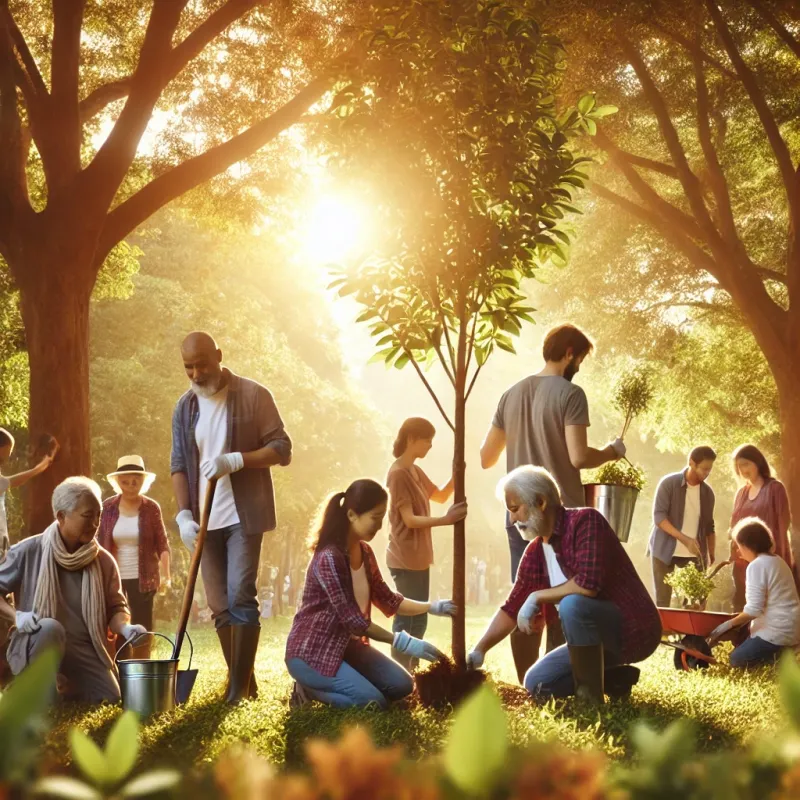
Photo: community swap shed reuse building household items shelves, via www.xtc.life
Tuesday, 8:15 a.m., and the shed is already busy.
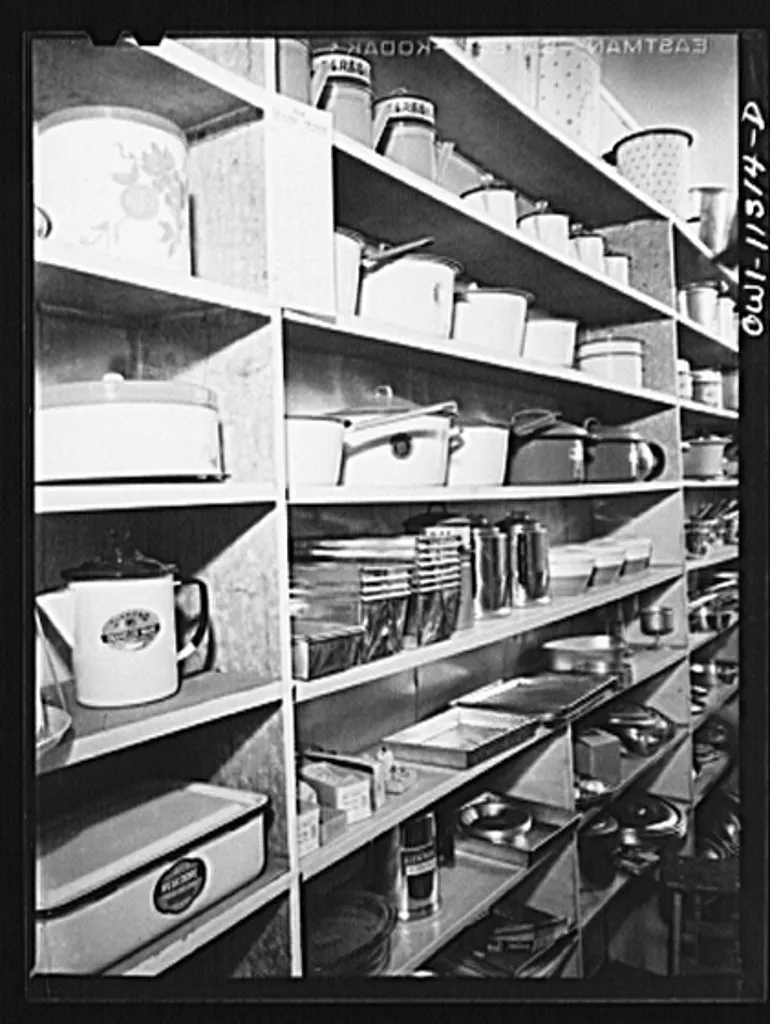
It's a shed in the literal sense — two pallets' worth of framing, a shingled roof, a door that doesn't quite close, and a hand-lettered sign that has been repainted so many times the words are stacked on top of each other. Inside, there is no shelving to speak of. There's a table someone hauled over in 2019. There's the floor. Things go on the table, and then things go on the floor, and then things go on the things.
You know the place. Every town has one. Ours is at the transfer station, past the metals pile, before the guy who checks your sticker.
The Etiquette Is the Whole Economy
There is no clerk. There is no price tag. There is no register, no receipt, no loyalty program, and nobody to complain to.
The whole thing runs on a transaction that isn't a transaction: you bring something, you take something, and nobody keeps score. The moment anyone starts keeping score, the shed stops working. Everybody seems to understand this without anyone having said it out loud, which is the closest thing to civic magic I've witnessed in years.
I want to be clear that this is not a story about sustainability. The shed's environmental impact is entirely incidental to why people love it. It's a story about a room where things are free and nobody is in charge.
What Was There the Day I Went
A partial inventory, because a full one is impossible:
- Four lamps. Three worked. One did not, and had been placed there anyway, which is a violation I'll get to.
- A bread maker, still in the box, with the manual, with the little plastic measuring cup.
- Eleven flowerpots, nested, one still containing soil and a dead marigold.
- A set of golf clubs missing the seven iron.
- A child's bike, pink, no training wheels, one grip.
- Six hardcover novels, all by the same author, all from the same series, in order.
- A wooden tennis racket.
- A box labeled "MISC" that contained, accurately, misc.
- One very good cast-iron skillet that I did not take and have thought about since.
The Unwritten Rules
Nobody hands you a list. You learn by watching.
Take it, don't sell it. The moment a thing leaves the shed and shows up at a yard sale with a price sticker, the shed has been used badly. Everyone knows. Word travels.
Don't take the whole box. If someone leaves a bucket of forty matching screws, you take the twelve you need and leave the rest for the next guy. This rule is broken constantly and resented mildly.
Put it where it goes, not where you found it. Lamps on the table, pots on the floor, books laid flat so the titles show. There's an order here. It isn't written, but it's real, and rearranging it is rude in a way nobody will ever mention to your face.
Don't leave garbage dressed as treasure. A working blender is a gift. A blender with a cracked pitcher and no lid is a chore you've handed to a stranger.
The drop-and-run is legal but frowned upon. Some people pull up, unload, and leave without ever going inside. Technically fine. Socially, it's like leaving a party without saying goodbye.
Don't hover. If you brought something and you're waiting to see who takes it, you're making it weird. Let it go.
The Regulars
The shed has a cast.
There's the guy who arrives with a headlamp at 7:50 on Saturdays, because the good stuff goes early and he knows it. There's the woman who rescues houseplants and nurses them back and returns them, which is a one-person program nobody asked for and everybody appreciates.
There's the retired couple who treat it as a walking destination and a source of mild gossip. There's the parent whose kid is allowed to pick exactly one item, which is a negotiation I have witnessed four times and enjoyed every time.
And there's the man who drops off a table saw, stays to explain the table saw to three separate people, and eventually takes it home again. I have seen him do this twice. I believe it's his hobby.
What the Shed Actually Reveals
You can learn a lot about a town from what it throws away and what it saves. The shed is a running inventory of local habits: the gardening, the fishing, the youth soccer, the brief enthusiasm for bread making that swept through in the spring and left behind four machines and a lot of flour.
But the more interesting read is the etiquette. People keep the rules even when nobody's watching, mostly. They stack neatly. They leave the good stuff out front. They take what they need and leave the rest. In a country that has built entire industries around convincing us we need more than we do, there is a small building behind the transfer station quietly operating on the opposite premise.
No prices. No pitch. No clerk to tell you it's a great deal.
Just a door that doesn't quite close, and a town deciding, item by item, what's worth keeping.