One Series, No Side Quests: How I Stopped Treating TV Like a To-Do List

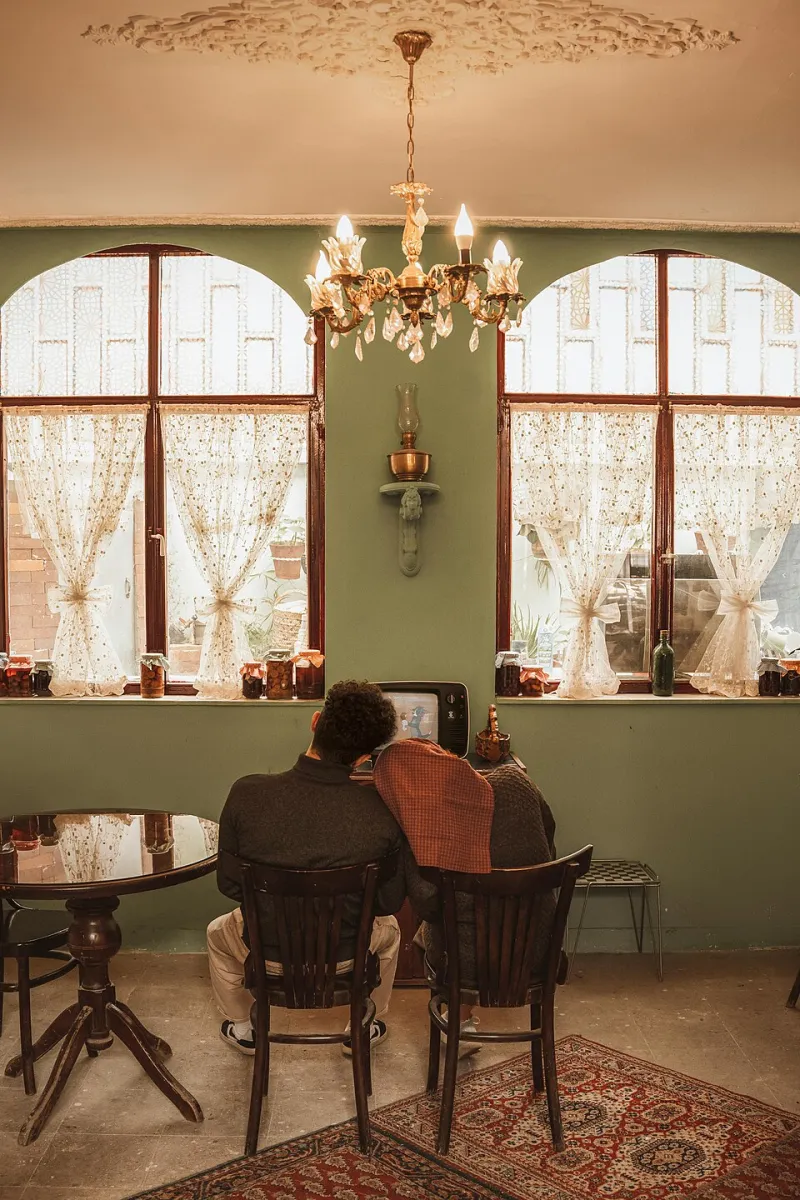
Photo: iMahesh, CC BY-SA 4.0, via Wikimedia Commons
I know the feeling. You open your streaming app, see five half-watched series blinking back at you, and suddenly TV feels less like relaxing and more like a group project you forgot about. There is a new prestige drama everyone mentions, a comfort sitcom you put on for background noise, a documentary you started during a sick day, and two things you cannot remember adding to the list. None of them are bad. Together, they are exhausting.
That was my setup for a long time. I told myself I was keeping up. Really, I was just scattering my attention across a dozen storylines and finishing almost none of them. Somewhere between the third cliffhanger and the fourth recap, watching television stopped feeling like a pleasure and started feeling like a small unpaid job.
The night my watchlist became a second job
The breaking point was not dramatic. I sat down after work, ready to relax, and spent fifteen minutes scrolling. I read synopses. I checked run times. I opened one show, watched four minutes, and switched to another because the first one felt like a commitment. Then I opened a third and realized I had already forgotten who half the characters were. I turned the TV off and sat there feeling oddly defeated by a machine I was supposed to be controlling.
The problem was not that there was too much good TV. The problem was that I had turned watching into a queue-management exercise. Every show was a tab left open in my brain. Every unfinished season was a tiny debt. The more options I had, the less I actually watched.
So I tried an experiment: one show at a time. Not one show forever, and not some rigid lifestyle overhaul. Just one active series until I finished it, stopped liking it, or decided it was not for me. Everything else waited.
It felt strange for about a week. Then it felt great.
The case for monogamous TV
Watching one show at a time restores something simple: attention. When you are not bouncing between five plots, you notice the small stuff. You remember a side character's name. You catch a joke that pays off three episodes later. You actually care about the season finale instead of treating it as one more item to clear.
There is also a practical benefit. A single show has a shape. It starts somewhere, goes somewhere, and ends. Even a messy show feels more satisfying when you give it a real chance instead of watching it in fragments between other fragments. You are not just consuming episodes. You are following a story.
And yes, this means you will be late to some conversations. Someone at work will mention the new hit everyone is watching, and you will say, I have not started that one yet. That is fine. The show will still be there. The discourse will not expire. Your ability to enjoy a story does not depend on being current by Friday.
How I pick the one show
I use a few plain rules. They are not laws. They are just guardrails for someone who has accidentally made entertainment feel like admin work.
First, I pick something with a clear ending. Limited series and shows that have already wrapped are easier to commit to than an endless procedural. If I want a long-running comfort show, I treat it as a separate category, not as my main story.
Second, I give a new show three episodes. That is enough to tell whether the tone works for me. If I am still bored after three, I quit. I do not owe a series my entire weekend just because it has good reviews.
Third, I ignore the noise. I do not read weekly recap debates while I am watching. I do not let a million hot takes tell me what I am supposed to feel. I can catch up on the conversation later, or never. The point is the show, not the group chat.
Fourth, I keep a short list of shows I genuinely want to watch later. Not a giant watchlist. A short list. If something has been on that list for six months and I still have no urge to start it, I let it go. Taste changes. That is allowed.
Knowing when to walk away
The hardest part is quitting. We are trained to finish things. We finish books, meals, and bad movies because we started them. But a TV series can run for fifty hours. That is a lot of your life to spend on something you stopped liking in season two.
My rule is simple: if I dread pressing play, I stop. Not every episode needs to be a masterpiece. A slow stretch is normal. But if I have gone three episodes without caring about anyone on screen, I am done. I do not need a formal goodbye. I just take it off the active list and move on.
This is not a moral failure. It is the whole point of having choices.
What changed
I finish more shows now. I remember more of them. I also watch less television overall, because I am not filling every spare moment with half-attention. When I sit down for an episode, I am usually there for the episode. That sounds small, but it has made TV feel like a treat again instead of a backlog.
If your streaming home screen currently looks like a to-do list with thumbnail art, try one show at a time. Pick one. Give it a fair shot. Ignore the noise. Quit when it stops working. The other shows will wait. They are very good at waiting.