Free Movies, Slightly Sticky Cases: A Love Letter to the Library DVD Aisle
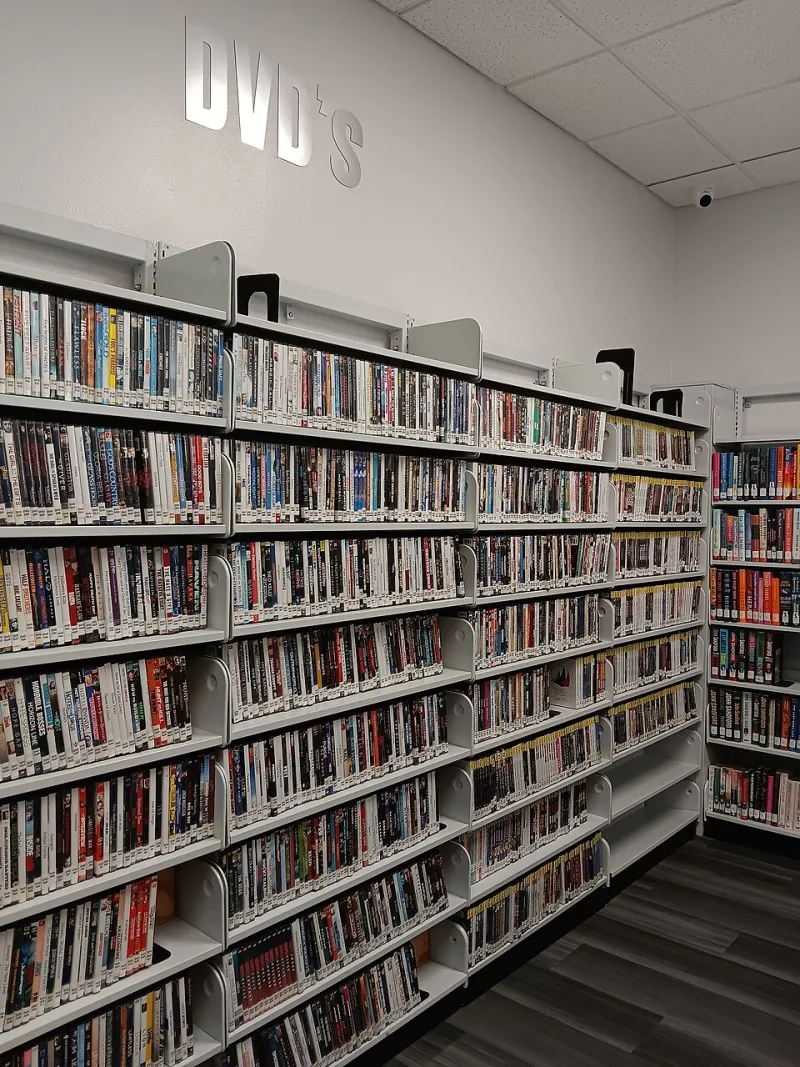
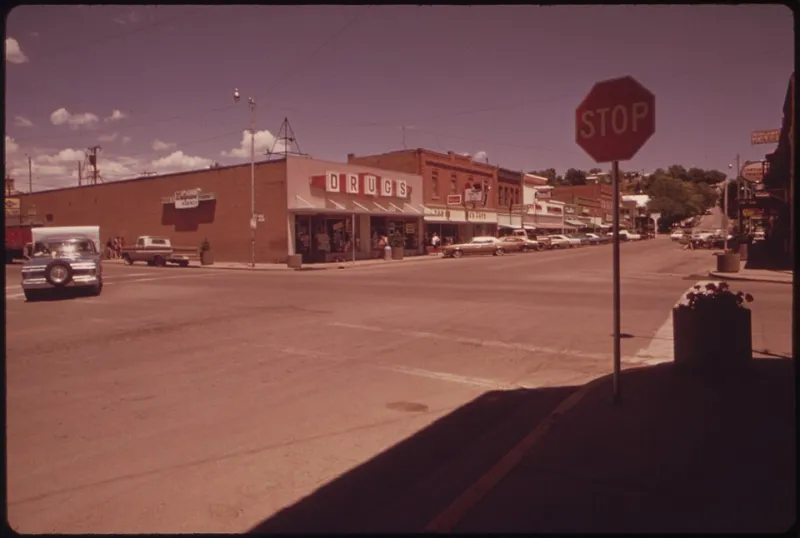
Photo: Aspensmonster, CC BY-SA 4.0, via Wikimedia Commons
The first time I walked past the DVD rack at my local library, I assumed it was a relic. A few shelves near the back, mostly old documentaries and kids' movies, probably kept around for people who still own a player. Then I looked closer. There was a full season of a detective show, a stack of 1990s action movies, a foreign film I had meant to rent years ago, and a documentary about a subject I did not know I cared about. It was not a relic. It was a free video store with terrible lighting and no algorithm.
That is the quiet secret of many U.S. libraries. Your card is not just for novels and museum passes. It can also unlock shelves of DVDs and Blu-rays, from new releases to old classics, from cartoons to Criterion-style cinema. The selection is not infinite, and it is not always pretty. But it is curated by people, not a recommendation engine trying to keep you scrolling. For a movie night on a budget, that is a genuinely underrated setup.
The streaming service hiding in plain sight
Most library systems let you search the catalog online, place holds, and pick items up at your branch. Some offer interlibrary loan, which means a title from another town can land at your local desk for a small fee or no fee at all. Many libraries also run movie screenings, film clubs, and themed displays. You might find a stack of Oscar winners in March, spooky movies in October, or a shelf of adaptations next to the novels they came from.
Not every library has the same catalog. Some systems have trimmed their disc collections or dropped them entirely. Check the website or call before you plan a trip. But if your branch still has a shelf, it is worth a look. The selection tends to be more interesting than the new-release wall at a drugstore, and the price is hard to beat.
What your card actually gets you
A library card is free for eligible residents in most U.S. communities, though some systems charge a nonresident fee. Once you have one, you can usually borrow:
- Feature films on DVD and sometimes Blu-ray
- Full seasons of TV shows
- Documentaries and educational series
- Kids' movies and family-friendly picks
- Foreign-language films and classics
- Book-and-DVD bundles or staff picks
- Museum passes, tools, or other odd extras, depending on the library
The DVD shelf is especially good for people who want to try before they buy, or who cannot justify another monthly subscription. It is also good for anyone who misses the pleasure of browsing. Streaming gives you everything at once, which sounds great until you spend twenty minutes reading plot summaries and then watch nothing. A physical shelf forces a choice. You pick up a case. You read the back. You commit.
How to work the catalog like a pro
Start online. Search your library's catalog for a title, an actor, or a director. If the item is checked out, place a hold. If it is at another branch, ask about transferring it. If your system has interlibrary loan, use it for the weird stuff: old TV seasons, regional documentaries, that one movie nobody streams.
Ask the staff. Library workers are often excellent at matching people with odd requests. Tell them you want a funny movie under two hours, or a mystery series with no gore, or something your kids will watch that will not drive you up the wall. They have seen the shelf more than you have.
Browse in person. The online catalog is efficient, but the shelf is where surprises happen. Give yourself ten minutes to pull out three cases you would never search for. That is the whole adventure.
The fine print: scratches, due dates, and missing discs
DVDs are physical objects, which means they come with physical problems. Before you check out, open the case and make sure the right disc is inside. If it is missing or badly scratched, tell staff before you leave. At home, handle discs by the edges and keep them away from heat and direct sun. A soft cloth can fix a smudge. A badly scratched disc may skip no matter what you do.
Due dates vary. Many libraries now offer automatic renewals or fine-free policies, but not all do. Replacement fees for lost or damaged discs can be real, so keep the receipt and return items on time. If a disc skips, try another player before you blame the library. If it still skips, report it when you return it. The next borrower will thank you.
Making movie night feel like an event
A library DVD gives movie night a gentle deadline, and that is a good thing. Pick a theme: 1990s action, one actor, one director, movies under 100 minutes, or films that inspired a remake. Make popcorn. Dim the lights. Put the phones in another room. The lack of endless scroll makes choosing easier, and the due date gives you a reason to actually watch the thing.
You can also invite people. A library movie night is a low-pressure excuse to gather. Everyone brings a snack, someone picks a disc from the stack, and nobody has to argue about which streaming service has it. The movie might be a little scratched. The case might be sticky. That is part of the charm.
The math and the trade-off
One streaming subscription can cost anywhere from a few dollars to twenty dollars a month, and that is before add-ons. A library card is free for eligible residents. Even if you pay an occasional late fee or replacement charge, the library is usually the cheaper route. The trade-off is real: fewer new releases, waiting for holds, a trip across town, and the occasional disc that skips. But you also get a reason to visit the library, browse a shelf, and discover something you would never have clicked on.
For a cheap movie night that feels like a small outing, the DVD aisle is hard to beat. Bring a tote bag. Check the discs. Return them on time. And if the case is a little sticky, wipe it down and move on. It is free entertainment, and it is waiting in a building you already pay for.