The Twelve Episodes I Keep Choosing Over Everything New
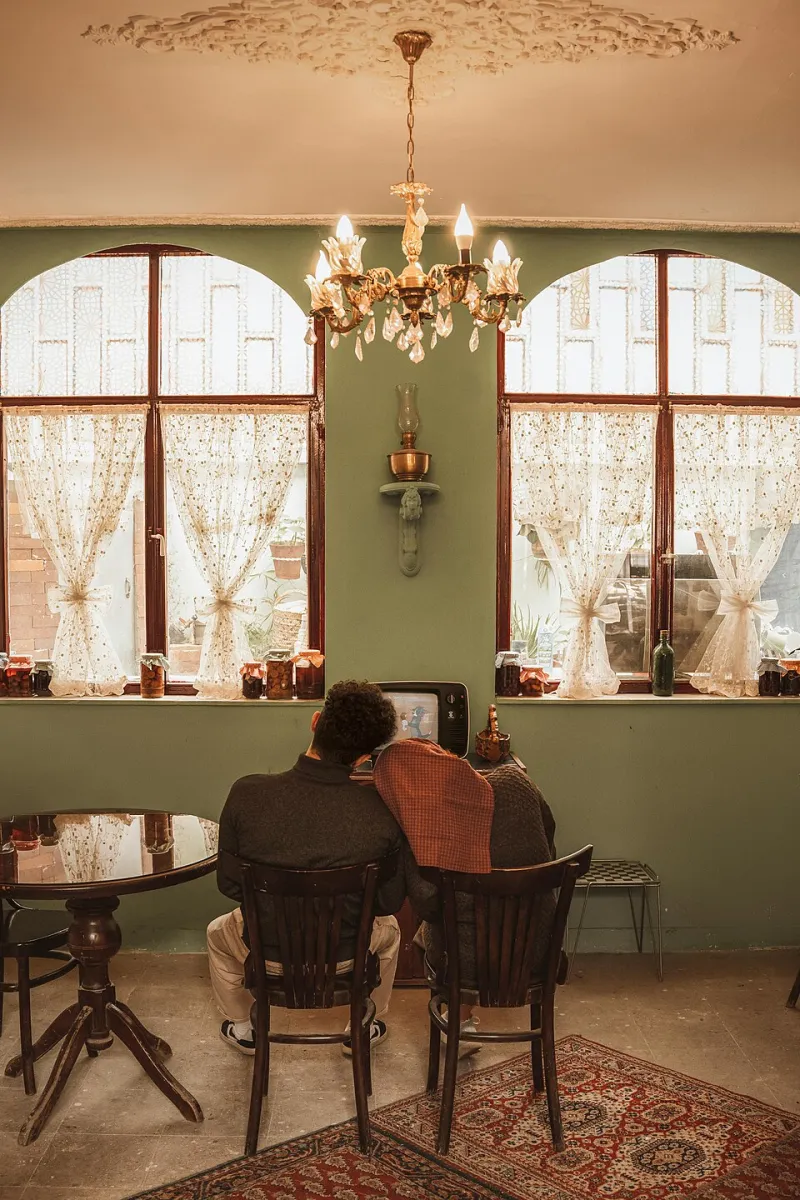
Photo: Voyefex11, CC0, via Wikimedia Commons
The other night I opened my streaming app with the best intentions. There were forty-two things in my queue, three of them new releases everyone at work had mentioned, and at least one limited series that was supposed to change television. I scrolled for eleven minutes. Then I watched the same episode of 'The Office' I have seen maybe thirty times. It was the one with the dinner party. I laughed at the same parts. I felt my shoulders drop. That is when I admitted something I had been dancing around all year: in 2026, my most-watched show is not new at all. It is a twelve-episode rotation of a sitcom that ended years ago.
This is not a confession of cultural surrender. It is a report from the middle of the streaming pile. There has never been more television. There has also never been more deciding. The queue is not a to-do list, but it starts to feel like one. Every new show arrives with a headline, a discourse, a second season announcement, and a vague sense that if you skip it you will be left out of a conversation. By the time I finish a workday, make dinner, and answer the text messages I have been ignoring since lunch, the idea of investing in a new prestige drama feels less like leisure and more like homework.
The Queue Is Not a To-Do List
I have tried to be a good viewer. I have opened the app with a plan. I have watched the first fourteen minutes of a new mystery series, paused it to check how many episodes were left, and felt tired before the first body turned up. I have added things to my list and then forgotten why. I have started a pilot, realized I had already seen the pilot two years ago, and could not remember a single plot point. None of this means the new shows are bad. Some of them are very good. It means my brain is full, and the remote has become one more place where I am supposed to make excellent choices.
Decision paralysis is a boring phrase for a very real feeling. It is the same reason I sometimes stand in the cereal aisle for too long. Too many options do not automatically make a night better. They make it louder. A new show asks you to learn names, track timelines, and care about people you have not met yet. A comfort rewatch asks almost nothing. You already know who is going to walk through the door. The joke still works. The sad part still lands. You can fold laundry while it happens.
The Twelve-Episode Crutch
My twelve episodes are not a random dozen. They are the ones I can start at any point and finish in any mood. There is the dinner party episode, which is a masterpiece of cringe. There is the one where a bat gets loose in the office. There is the injury episode, the fire drill episode, and the one where everyone plays office Olympics. I know the beats. I know the lines. I know exactly when to look up from my phone. That is not the same as paying attention, but it is a kind of attention. It is the low-stakes attention I have left at the end of a day.
Some people will call this a rut. Maybe it is. But a rut and a groove can look similar from the outside. The difference is whether the thing is holding you back or letting you rest. I am not avoiding all new culture. I still read, listen to new albums, and watch the occasional movie in a theater. I just do not feel obligated to treat every streaming release like a civic duty. The comfort rewatch is not a replacement for curiosity. It is a pause button for it.
Why Familiar Is Not the Same as Lazy
There is a strange pressure in 2026 to have a take on everything. Did you see the new show? Did you finish the limited series? Did you catch the twist? Entertainment has become a social feed, and the feed is always hungry. Rewatching old episodes does not produce a fresh take. It produces a small, private experience. I do not have to text anyone about it. I do not have to rank it. I do not have to decide whether it is problematic, brilliant, overrated, or the best thing since the last best thing. I can just watch.
That is probably why the same twelve episodes keep winning. They are not the best television I have ever seen. They are the most reliable. Reliability is underrated in a world that keeps telling us to optimize our downtime. Not every evening needs to be a cultural event. Sometimes the goal is to sit on the couch for twenty-two minutes and remember that you are a person, not a content queue.
What I Am Actually Looking For
When I choose 'The Office' for the fourth time in a week, I am not looking for surprise. I am looking for a mood. I want the feeling of a kitchen table in a house I have been to before. I want the joke that still gets me even though I know it is coming. I want the background noise that does not demand my full brain. That is not a failure of taste. It is a small act of management. I am managing my energy, my attention, and the very limited number of hours between dinner and bed.
In 2026, normal entertainment might mean exactly this: a steady diet of new things, a few old favorites, and no guilt about the mix. I still believe in trying new shows. I just no longer believe that every free evening has to be spent auditioning them. Some nights are for the pilot. Some nights are for the dinner party episode. Both can be part of a healthy life.
A Small Permission Slip
So here is my permission slip, in case you need one. You can watch the same show again. You can skip the new release that everyone is talking about. You can let your queue grow until it looks like a hedge. You can choose the known over the new and still be a person with taste, curiosity, and a functioning sense of wonder. You are allowed to rest in the stories that already feel like home.
The other night, after the dinner party episode ended, I did not immediately start another new show. I turned off the app and went to bed. It was a good night. For once, the queue could wait.